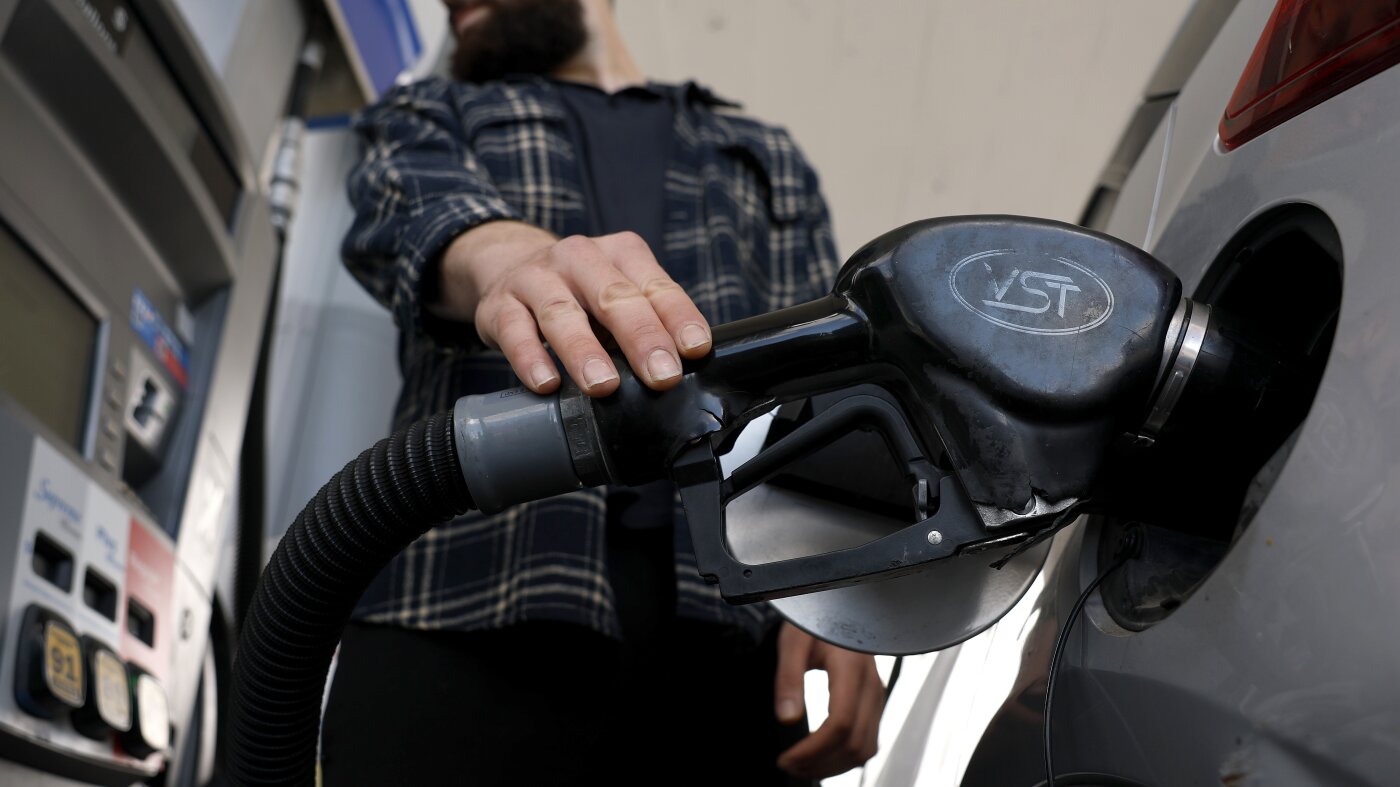
Gas Saving Strategies 2026 - institutional flows, fund activity, and market positioning analysis. With the national average for a gallon of gasoline reaching $4.55, American consumers face rising fuel costs just ahead of one of the busiest travel weekends. Options to cut expenses include reducing speed, shifting to electric vehicles, or avoiding driving altogether, as households look to manage transportation budgets.
Live News
Gas Saving Strategies 2026 - institutional flows, fund activity, and market positioning analysis. Investors often experiment with different analytical methods before finding the approach that suits them best. What works for one trader may not work for another, highlighting the importance of personalization in strategy design. According to the latest market data, the national average for a gallon of gasoline now stands at $4.55, marking a significant increase as the United States enters one of the most travel-intensive periods of the year. This price level pressures consumer budgets and forces households to evaluate driving habits and vehicle choices. The primary strategies being discussed to reduce fuel expenses include moderating driving speed, which could improve fuel efficiency by reducing aerodynamic drag. Another option involves transitioning to electric vehicles (EVs), which may offer lower per-mile energy costs compared to gasoline-powered alternatives. A third approach is to reduce or eliminate driving altogether, such as by consolidating trips, using public transportation, or staying home for the holiday weekend. These options collectively aim to help consumers offset the impact of elevated gas prices on their monthly spending.
Gas Prices Hit $4.55: Consumers Weigh Driving Slower, Going Electric, and Staying Home Access to multiple timeframes improves understanding of market dynamics. Observing intraday trends alongside weekly or monthly patterns helps contextualize movements.Data platforms often provide customizable features. This allows users to tailor their experience to their needs.Gas Prices Hit $4.55: Consumers Weigh Driving Slower, Going Electric, and Staying Home Technical analysis can be enhanced by layering multiple indicators together. For example, combining moving averages with momentum oscillators often provides clearer signals than relying on a single tool. This approach can help confirm trends and reduce false signals in volatile markets.Traders frequently use data as a confirmation tool rather than a primary signal. By validating ideas with multiple sources, they reduce the risk of acting on incomplete information.
Key Highlights
Gas Saving Strategies 2026 - institutional flows, fund activity, and market positioning analysis. Some investors use scenario analysis to anticipate market reactions under various conditions. This method helps in preparing for unexpected outcomes and ensures that strategies remain flexible and resilient. The $4.55 national average carries broader implications for consumer behavior and the wider economy. Higher gasoline prices typically lead to reduced discretionary spending in other areas, as households allocate a larger share of income to transportation. This shift could weigh on retail sales, travel-related industries, and overall economic growth in the near term. Additionally, the focus on fuel efficiency may accelerate interest in electric vehicles, potentially influencing automakers' production strategies and charging infrastructure investments. However, the high upfront cost of EVs and limited charging availability in some regions could temper adoption rates. Consumers may also turn to fuel-savvy driving techniques, such as gradual acceleration and reduced idling, as immediate cost-cutting measures.
Gas Prices Hit $4.55: Consumers Weigh Driving Slower, Going Electric, and Staying Home Using multiple analysis tools enhances confidence in decisions. Relying on both technical charts and fundamental insights reduces the chance of acting on incomplete or misleading information.Real-time tracking of futures markets can provide early signals for equity movements. Since futures often react quickly to news, they serve as a leading indicator in many cases.Gas Prices Hit $4.55: Consumers Weigh Driving Slower, Going Electric, and Staying Home Investors may adjust their strategies depending on market cycles. What works in one phase may not work in another.Data-driven insights are most useful when paired with experience. Skilled investors interpret numbers in context, rather than following them blindly.
Expert Insights
Gas Saving Strategies 2026 - institutional flows, fund activity, and market positioning analysis. Observing market cycles helps in timing investments more effectively. Recognizing phases of accumulation, expansion, and correction allows traders to position themselves strategically for both gains and risk management. From an investment perspective, sustained high gasoline prices could create tailwinds for sectors tied to energy efficiency and alternative transportation. Companies specializing in EV manufacturing, battery technology, and public transit solutions might see increased demand if consumer habits shift permanently. Conversely, industries dependent on high travel volumes—such as airlines, hotels, and entertainment venues—could face headwinds if consumers reduce road trips. It remains uncertain whether the $4.55 level will persist or moderate after the holiday period. Market expectations for oil supply and demand, geopolitical factors, and potential government policy responses may all influence future price trends. Investors should consider these variables cautiously, as fuel costs affect a broad range of sectors without guaranteeing specific outcomes. Disclaimer: This analysis is for informational purposes only and does not constitute investment advice.
Gas Prices Hit $4.55: Consumers Weigh Driving Slower, Going Electric, and Staying Home Analyzing intermarket relationships provides insights into hidden drivers of performance. For instance, commodity price movements often impact related equity sectors, while bond yields can influence equity valuations, making holistic monitoring essential.Some investors rely heavily on automated tools and alerts to capture market opportunities. While technology can help speed up responses, human judgment remains necessary. Reviewing signals critically and considering broader market conditions helps prevent overreactions to minor fluctuations.Gas Prices Hit $4.55: Consumers Weigh Driving Slower, Going Electric, and Staying Home Predictive analytics combined with historical benchmarks increases forecasting accuracy. Experts integrate current market behavior with long-term patterns to develop actionable strategies while accounting for evolving market structures.The integration of multiple datasets enables investors to see patterns that might not be visible in isolation. Cross-referencing information improves analytical depth.